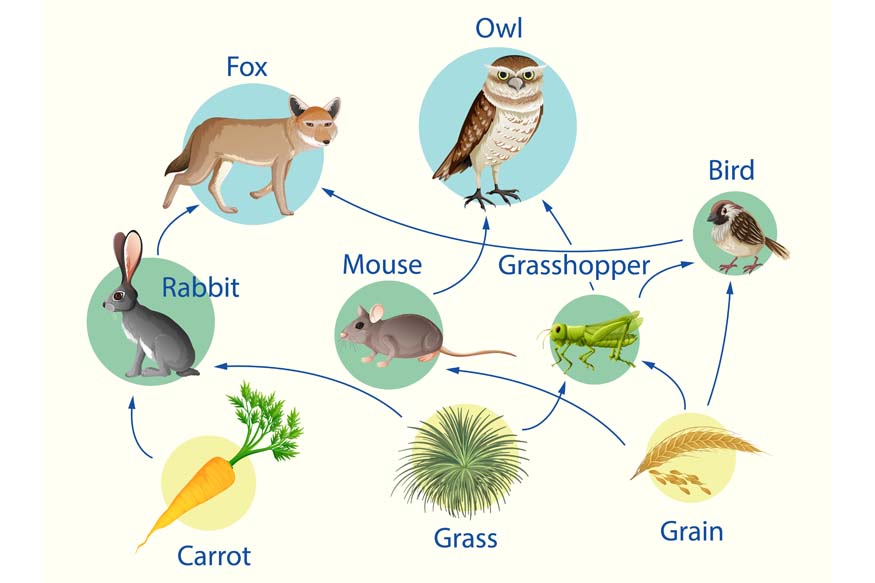
Whether it’s the sunlight that awakens us or the water that quenches our thirst, we depend on nature’s gifts to sustain us every single day. Even though students don’t always give them much thought, these natural resources are an integral aspect of their everyday lives. Children have a true sense for the environment and begin to see the importance of conservation when they are immersed in the practical applications of natural resources. Learning about nature helps young minds understand how deeply people depend on natural resources in everyday life, a connection often explored at a school in Nagpur through environmental studies and related activities.
How Everyday Life Uses Water?
Water is unquestionably one of the most important natural resources on Earth. On an average day, we need it for drinking, cooking, cleaning, taking a shower, and cultivating the food that ends up on our plates. Not only do homes require a constant supply of water to operate, but large corporations, educational institutions, and medical facilities also require it. When exploring natural resources in daily life, water is usually one of the first resources students identify because it is essential for many everyday tasks. This type of direct involvement with the real world is the goal of modern education.
The Importance of Air in Everyday Activities
Air is just as vital as water for keeping us alive. Every single breath we take delivers the oxygen our bodies need to create energy and function properly—and the same goes for every animal and plant around us. When kids study water and air resources, they begin to realize how tightly connected these elements are to our basic survival. This is why at a Best School in Nagpur, lessons on the environment focus heavily on this connection, teaching students the real-world value of keeping our surroundings clean and actively reducing pollution.
How Sunlight Supports Daily Living?
Sunlight gives us warmth, light, and power. Plants rely on it to make food through photosynthesis, which basically kicks off the entire food chain on Earth. For humans, spending time in the sun helps our bodies generate Vitamin D to keep our bones strong. Out of all the resources around us, sunlight is easily one of the most abundant and completely free. It is also an incredible teaching tool; students at a modern School in Nagpur often explore how solar energy is shifting from a science concept to a major alternative source of power for everyday homes and businesses.
Why Soil Is Essential for Food Production?
Healthy soil is the absolute foundation of farming. Farmers use it entirely to cultivate everything from grains to fruits and vegetables. Growing food becomes extremely difficult if the earth isn’t fertile, which has a direct impact on populations all over the world. When children study uses of natural resources, it becomes clear to them that every meal begins with a natural resource. Schools offering CBSE School Admission often include environmental awareness as part of regular classroom activities.
The Function of Trees in Daily Life
For our world, trees perform an incredible amount of heavy work. They stop soil erosion, purify our air, provide homes for wildlife, and provide us with food, medicine, oxygen, and shade. Furthermore, a lot of the items we use on a daily basis—such as furniture, paper, and pencils—come directly from them. When students look at natural resources in daily life, they quickly realize just how many tree-based products they rely on from morning to night. Through tree plantation campaigns, students are able to go beyond theory and actively participate in environmental conservation.
How Do Plants Produce Food and Useful Materials?
Vegetables, fruits, cereals, oils, spices, fibres, and medications are all produced by plants. Many herbal remedies and cotton used in clothes originate straight from plants. They do much more than just provide nourishment. Plants provide some of the most diverse advantages of all the resources available to humans. Educational programmes at a School in Nagpur often include gardening projects that help students observe plant growth and understand their importance.
Utilising Natural Resources to Produce Power
A variety of natural resources, including coal, natural gas, wind, water, and sunlight, are used to power our planet. For example, solar panels capture sunlight, while hydroelectric dams use flowing water to create electricity. Students can learn about renewable energy sources like wind and water power by exploring into water and air resources. If you visit a Best School in Nagpur, you will often find lessons like these leading to discussions about energy conservation and responsible resource use.
How Common Household Items Are Made Using Minerals?
Nearly everything we come into contact with contains minerals in an invisible manner. Our infrastructure and tools are made of iron, our electrical wiring is kept operational by copper concealed within our walls, and our kitchenware and food packaging are made of lightweight aluminium. These common items are great examples of how the resources present in our environment act as the foundation for modern life. When searching for CBSE School Admission, many parents value schools that help students understand how raw materials are transformed into the products used in everyday life.
The Uses of Fossil Fuels in Daily Life
Natural gas, coal, and oil are the main sources of energy used worldwide. These energy sources provide the electricity we use on a daily basis, power enormous enterprises, and keep our cars going. In actuality, a lot of homes utilise natural gas each time they turn on the cooker to prepare a meal. Students have a good understanding of how much energy is required to maintain modern living when they study these fuels. It also makes it easier for them to understand why there is suddenly such a tremendous, urgent demand to identify greener, cleaner alternatives.
How Natural Resources Support Transportation?
Transportation systems depend heavily on natural resources. Whereas cars consume metals, rubber, and fuel, roads need minerals and stone. Natural materials are used to make even bicycles. When students see how people move from one location to another on a daily basis, the various uses of natural resources become evident. Children who learn about transport are also better able to understand the importance of natural materials in modern infrastructure.
Natural Resources Used in Clothing and Textiles
Natural resources are used to make a lot of the clothing we wear. Silkworms produce silk, sheep produce wool, and plants produce cotton. Because these fabrics are convenient and suitable for a variety of weather conditions, they are utilised to create a wide range of garments. Students better understand the relationship between nature and everyday items by learning where these fibres originate. Additionally, it motivates them to appreciate resources and prevent from excess waste.
How Natural Resources Help Build Homes and Schools?
Homes and schools are built using resources such as wood, stone, sand, clay, iron, and cement. These materials provide strength, safety, and durability. Every classroom and building demonstrates how natural resources contribute to daily life. A good learning environment helps students connect classroom lessons with real examples of resources around us. If you visit CBSE Schools in Katol Road, you will often find natural resources being explained through familiar objects that students use in their daily lives. Visit to know more about types of natural resources
FAQs
1. What are natural resources?
Water, air, soil, sunlight, and other elements found in nature are examples of natural resources.
2. What is the importance of natural resources?
The food, water, energy, and materials we use on a daily basis come from them.
3. Which natural resources do students use daily?
Students use water, air, sunlight, paper, and plant-based products every day.
4. How do natural resources improve our quality of life?
They help routine activities including eating, travelling, learning, and leading a comfortable life.
5. How can students conserve the environment?
Through conserving water, cutting back on waste, recycling, and smart resource use.
Conclusion
Every element of existence depends on natural resources, including the food we eat, the clothing we wear, the houses we live in, and the vehicles we use. Students get a greater understanding of these resources’ importance and the necessity of using them properly. Children are inspired to make eco-friendly decisions and contribute to a more sustainable future when they comprehend how nature supports everyday activities.
At Centre Point School, one of the reputed CBSE Schools in Katol Road, education focuses on helping students understand the world around them and their place within it. By combining classroom learning with meaningful experiences, the school encourages children to think independently, act responsibly, and contribute positively to their communities. To learn more, explore CBSE School admission in Nagpur.